
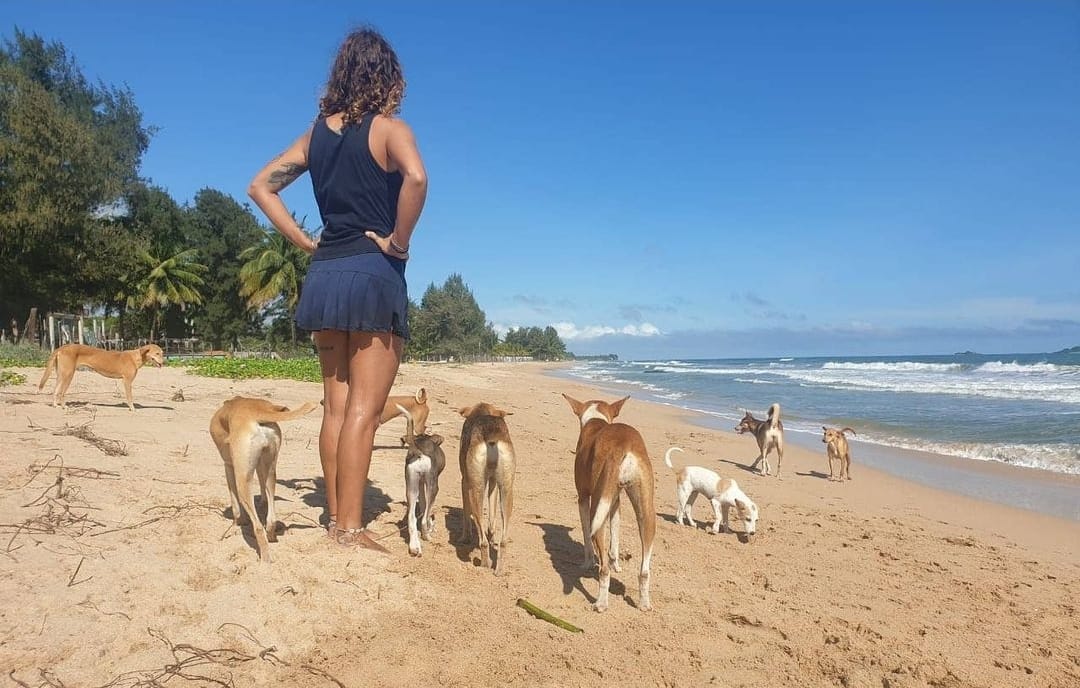
I didn’t learn about dogs only in classrooms.
A large part of what I know about dogs comes from living among them.
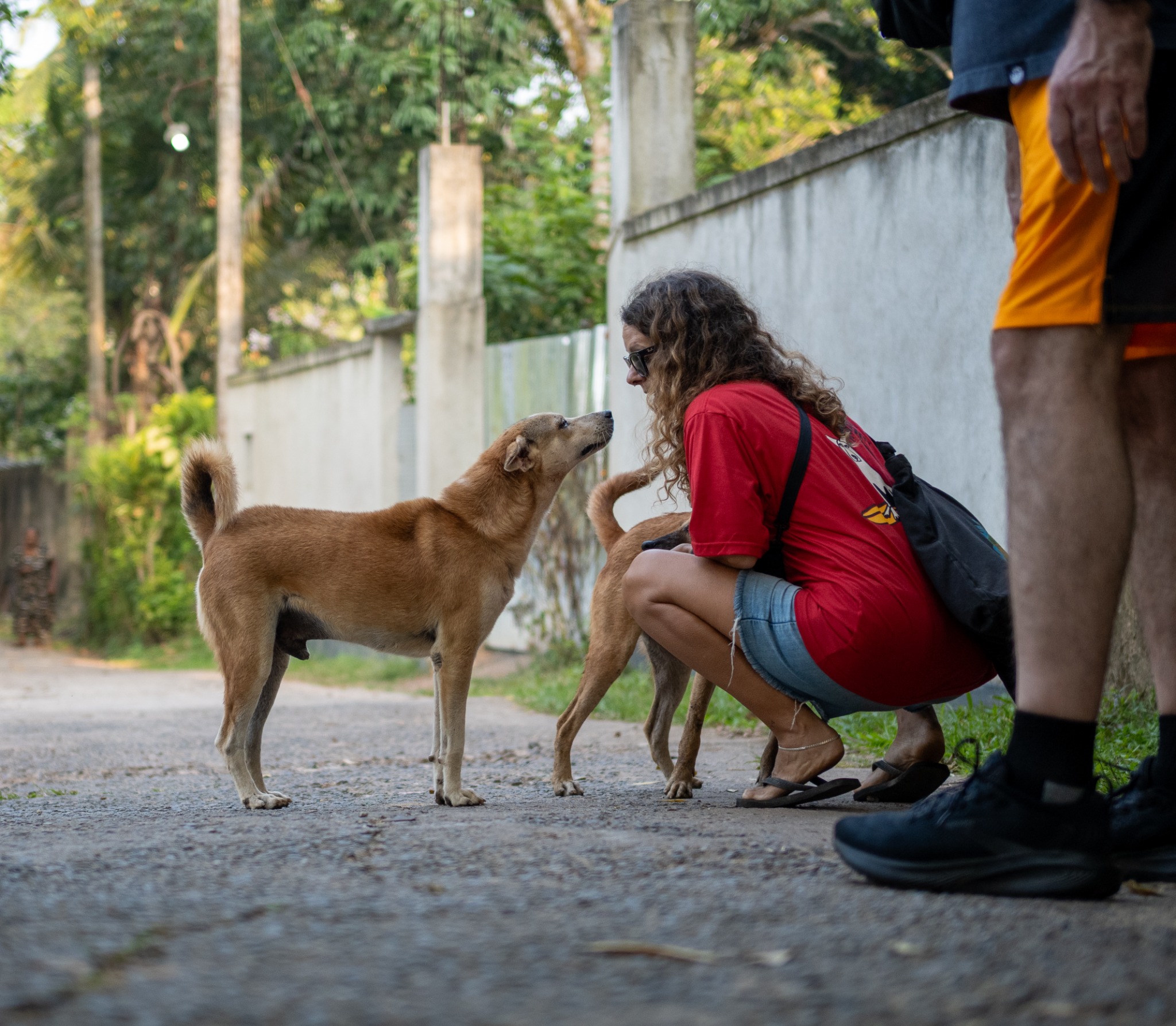
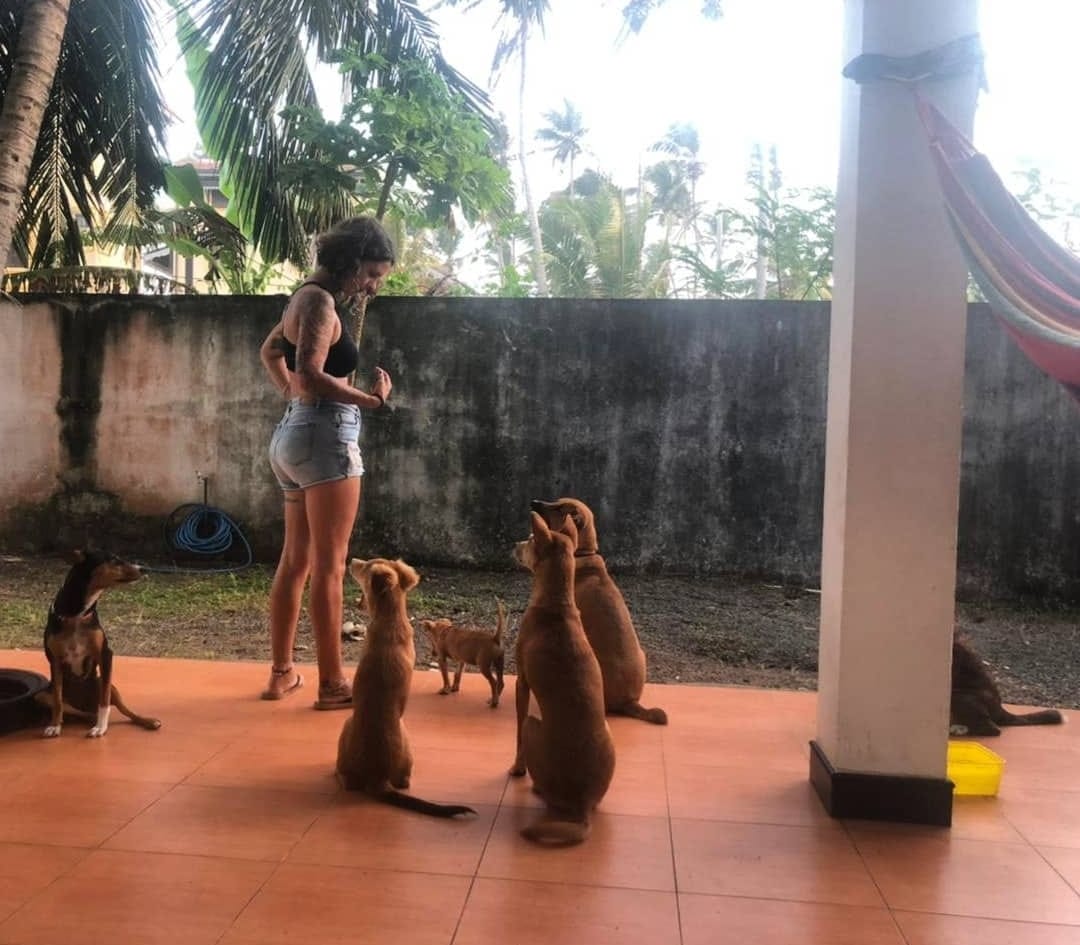
I’m based in Sri Lanka, where free-living dogs are part of the everyday landscape. They move through villages, beaches, streets and communities with a degree of autonomy that most companion dogs never experience.
Watching them has shaped the way I understand behaviour. I’ve seen dogs negotiate conflict, form friendships, communicate boundaries, choose distance, adapt to people, avoid situations they don’t trust and make decisions for themselves.
That kind of learning is difficult to reproduce in a controlled training environment.
The dogs who changed my direction.
They shaped my path in completely different ways — one through fear and sensitivity, the other through communication, social life and boundaries.
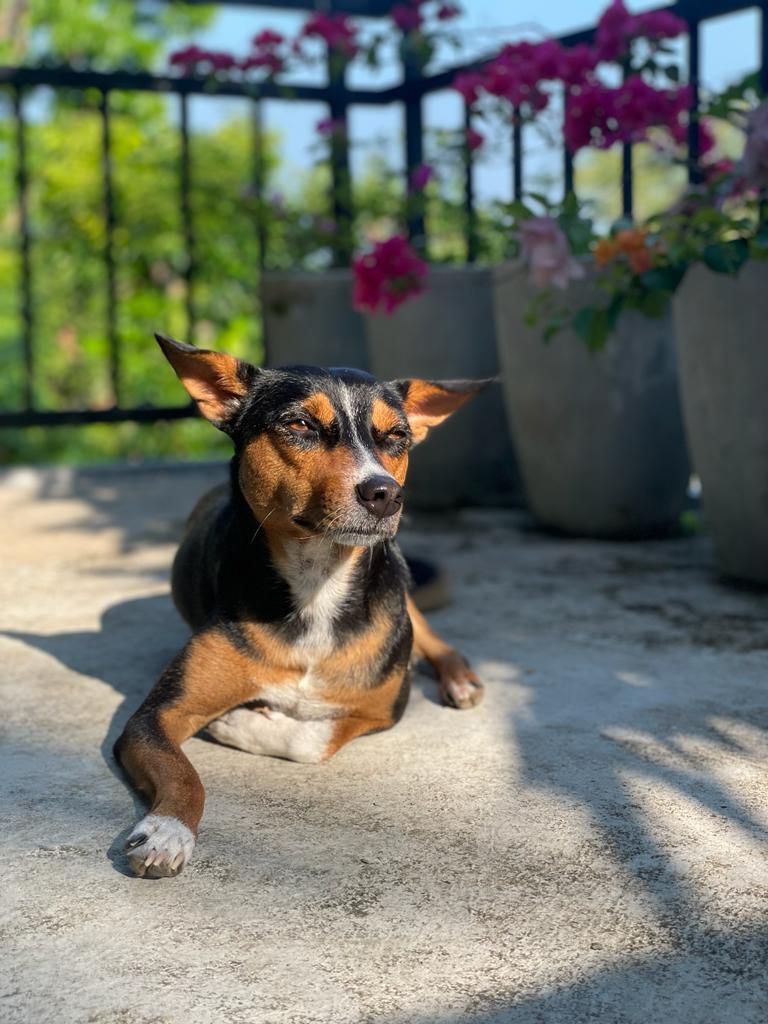
Bambi taught me to look underneath fear.
Living with such a fearful dog prompted me to go deeper into dog behaviour. She made me want to understand what happens when a dog feels overwhelmed by the world around them — and what actually helps them feel safe.
Through Bambi, I became increasingly interested in emotional safety, nervous-system regulation, trust, environment and relationship, rather than relying on simple training answers. In many ways, she was the dog who propelled me into behaviour work.
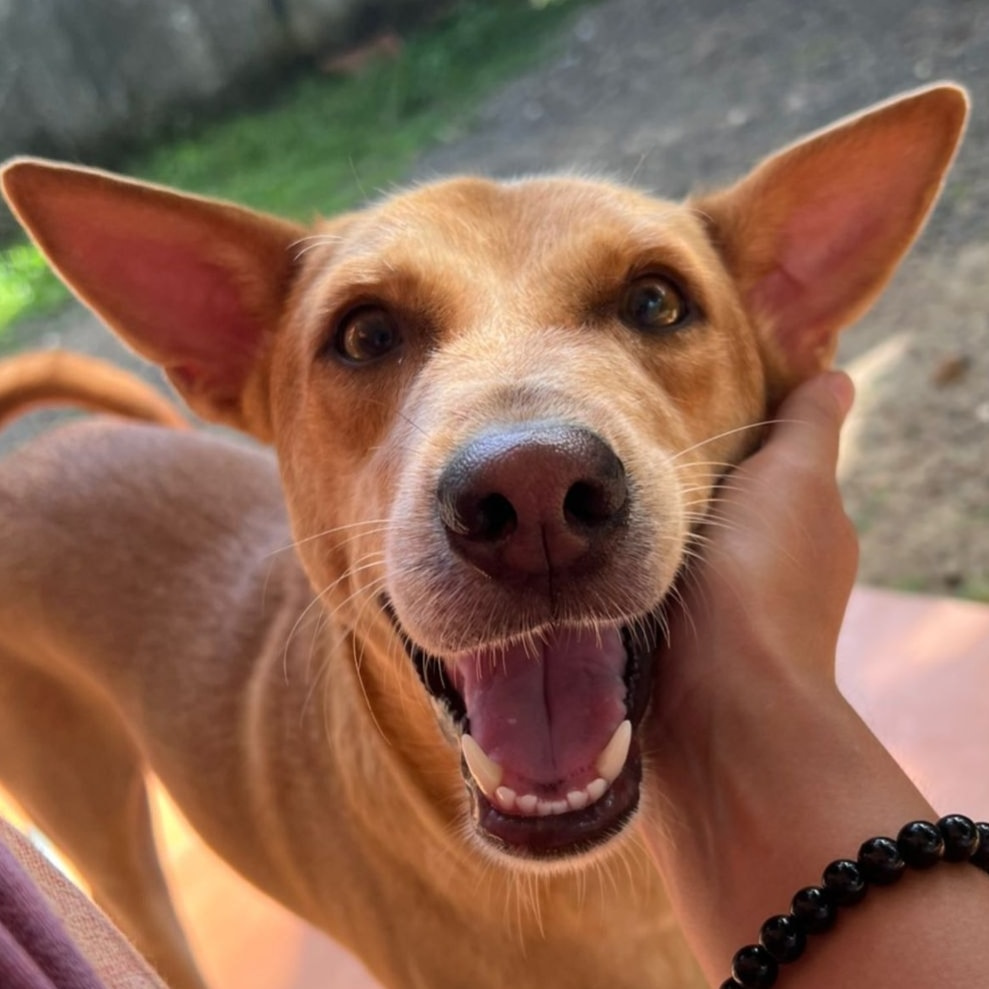
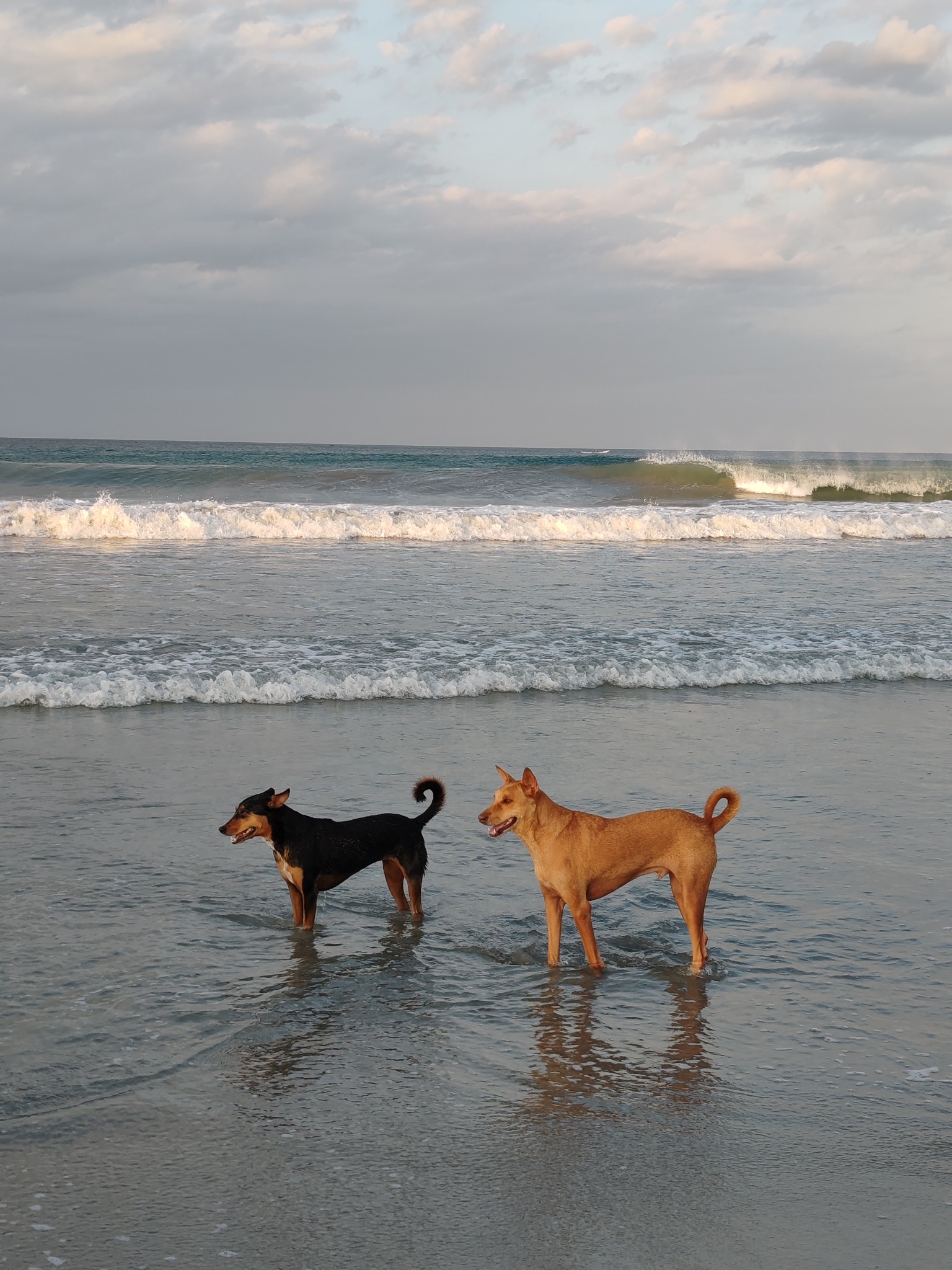
PingPong taught me to listen to dogs differently.
PingPong deepened my understanding of canine communication, social life and boundaries. Watching how clearly he communicates with other dogs — when he wants space, when he is comfortable and when he is willing to engage — showed me how much dogs are already telling us when we learn how to pay attention.
He also showed me the potential these dogs have: their adaptability, social intelligence and ability to build profound relationships with people without losing who they are.
From rescue work to behaviour.
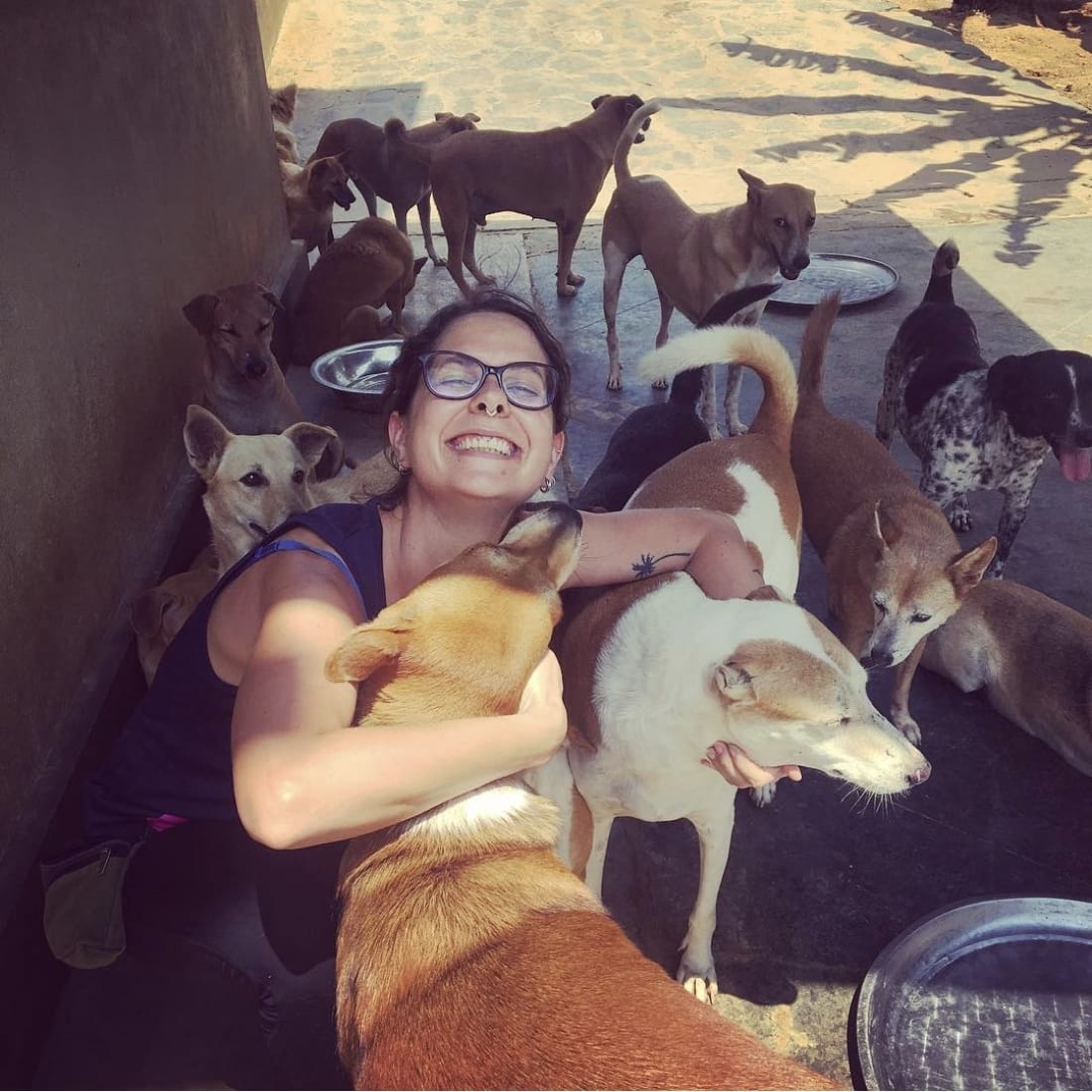
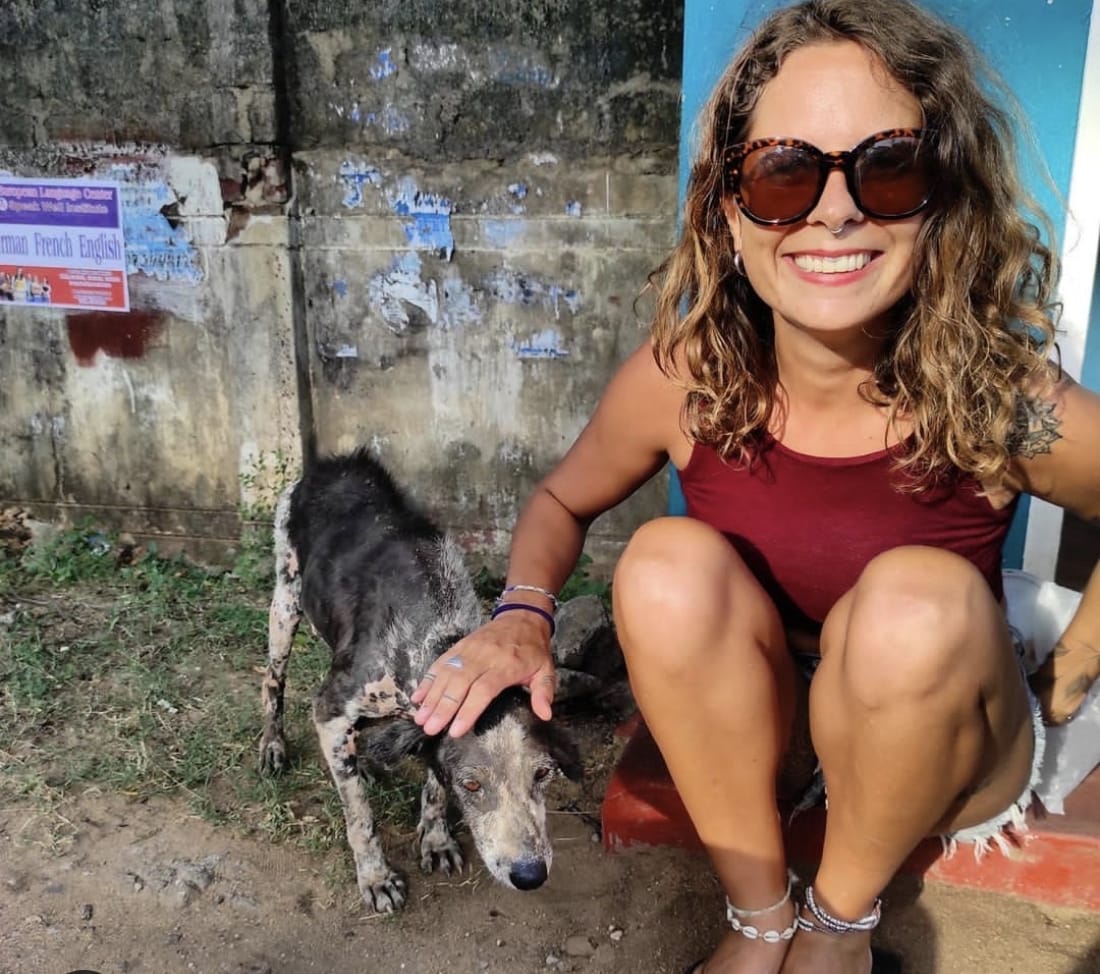
Before working professionally in behaviour, I spent around six years involved in CNVR and rescue work in Sri Lanka. Over time, I became increasingly interested not only in rescuing dogs, but in understanding what happens when we ask them to move from one world into another.
Especially when a free-living or village dog is taken into a domestic home and suddenly expected to cope with confinement, handling, leads, unfamiliar people, separation, busy environments and a completely different level of human control.
Experience matters. So does evidence.
Level 5 Diploma
Dog Behaviour & Psychology.
Aggression in Dogs
Master Course completion.
Research
Beyond Rescue: Evaluating the Suitability and Sustainability of Free-Living Dogs as Pets.
I don’t believe every difficult behaviour needs more control.
I believe behaviour is information.
My work is relationship-based, welfare-focused and centred on understanding the individual dog. The goal is not to create a perfectly obedient dog. It is to help you understand the dog you actually have — and build a life together that works for both of you.